
Birdcage Bends
and a Chair for Sale

There is space in the upcoming Modern Rocker class, email me if you are interested.
Thanks to all the new supporters who have joined recently, you are making a huge difference for myself and all the folks who work with me.
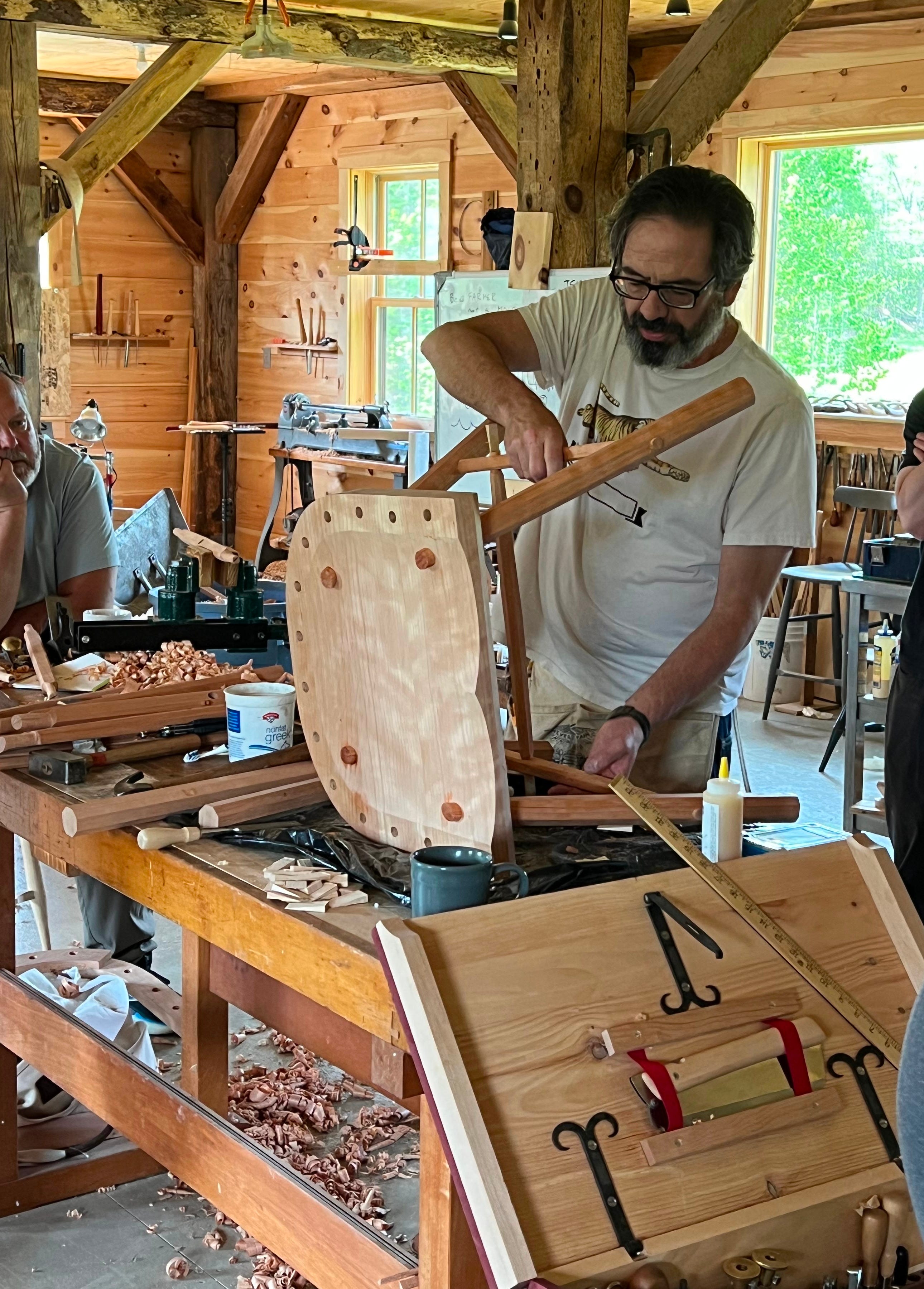
Chris Schwarz is in the shop this week teaching his Comb Back Stick chair. I’m super excited to have him teaching here. I love his approach to making chairs accessible to folks, plus he’s a hoot to hang out with.
Here is the Temple Chair I painted recently. I’ve been talking to Chris about his use of drawings to sell the chairs he makes in class and I’m ready to give it a try. I’m linking the price of the class chair to the cost of the class, so this one is $2000. I build a chair along with each class and while the class is my first priority when teaching, I still end up with a chair I’m proud of and I want to send it off to be enjoyed.


I will hold a drawing to decide the purchaser on Thursday May 28th. If you are interested, please email peter@petergalbert.com with the subject line May2026Temple. The price includes shipping and crating within the lower 48 or you can pick up the piece at my shop in Berwick Maine.
The piece has a pine seat and everything else is hard maple. It’s finished with Milk Paint and 4 coats of a Boiled Linseed Oil and Spar Varnish mix. The seat height is 25”.
I am planning on shooting some videos delving a deeper into drawknives and sharpening once I have full run of the shop again, but until then, I’m working on the set of birdcages. I have rod back to use as a model that I made in the early 2000’s, but I am making some changes. I’m starting the process by changing the bends a bit and then I’m going to be mocking up a chair with the parts I’ve made to work out the new geometry.
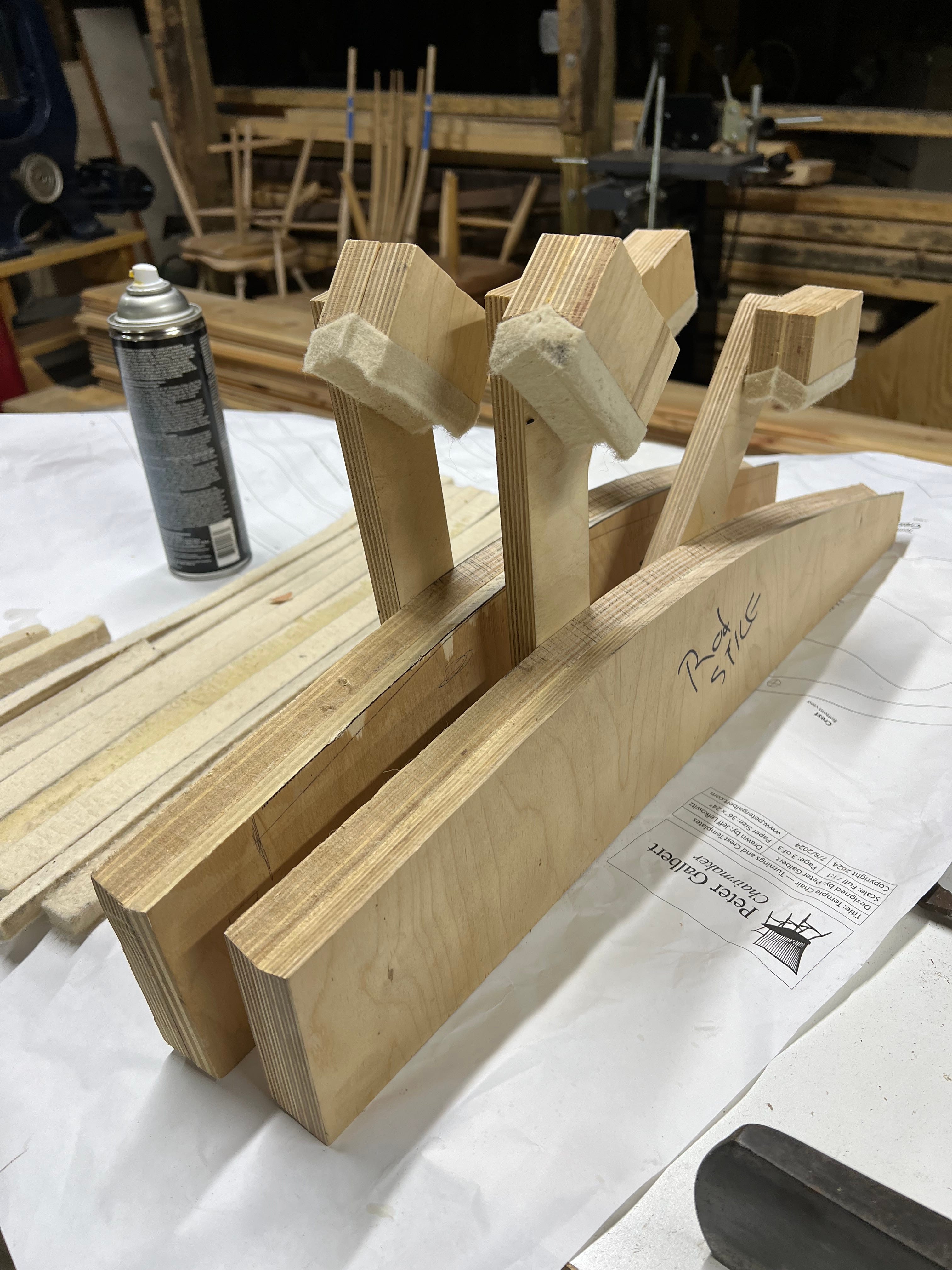
Here are some old forms I’m updating. I want the bend to more closely follow the spindle bend I want to use, so I altered the shape.
When I started out, I made parts like this with a full tapered tenon and came up with all sorts of ways ways to ream in the parts to get them in position. Honestly, it was hit or miss. I had to make up for inconsistency in the bends and their relationship to the tenon, which is very challenging with curved parts. Three changes in my process made this much easier.
First, I started working with dried wood for these parts. They dry much faster and with less distortion, plus I can pre-dry the tenons easily. I leave the tenons outside of the steamer with a little trap door rig I made. If the tenons were to be in the steamer, it would swell and not fit in
the mortise incorporated in the bending form.
I steam air or kiln dried wood for 2 1/2 hours. The forms I use over bend these parts. I leave them to set for a day or so before putting them in a drying form that opens the bend up a hair. This sets the bend very accurately.
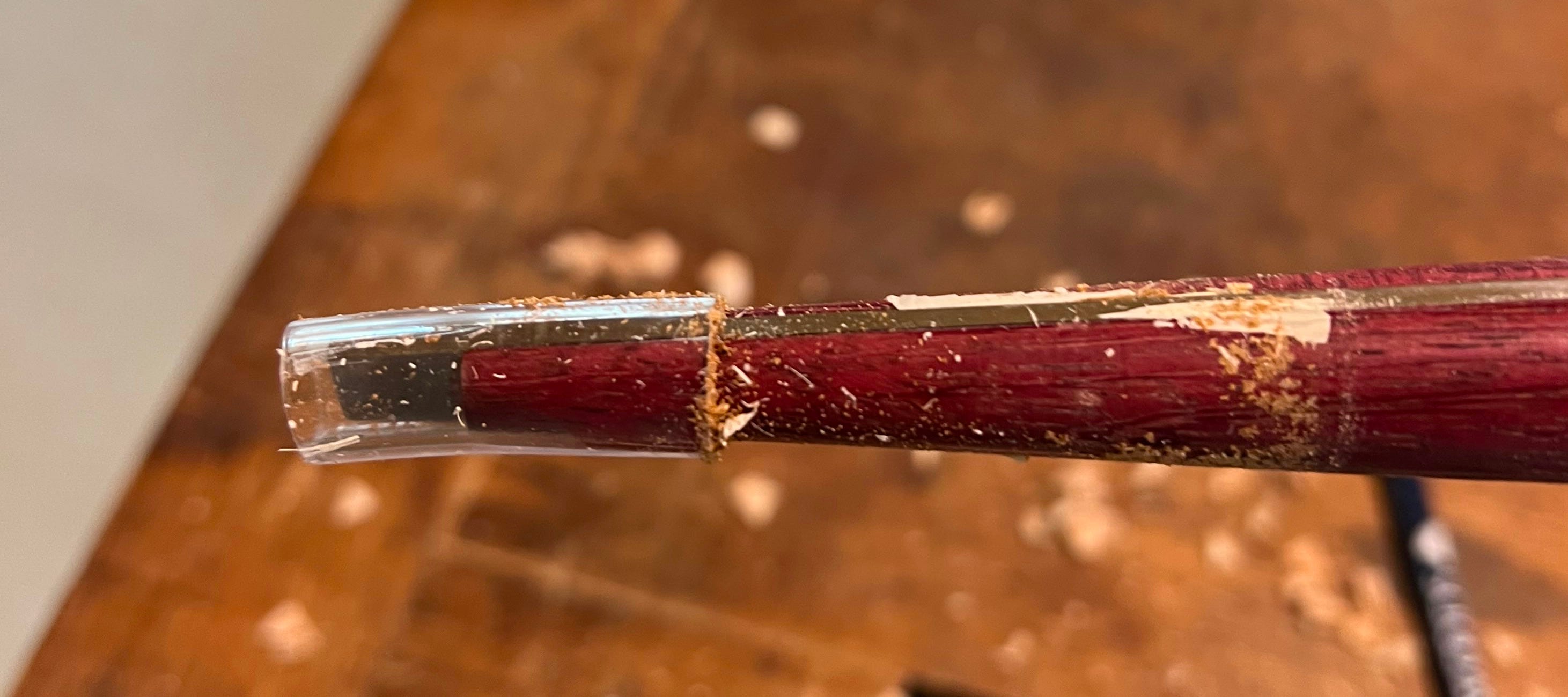
Secondly, I use a half tapered tenon. This joint has many benefits. It aligns beautifully with the hole I’ve already drilled when I ream with a pvc guide pipe on my reamer.
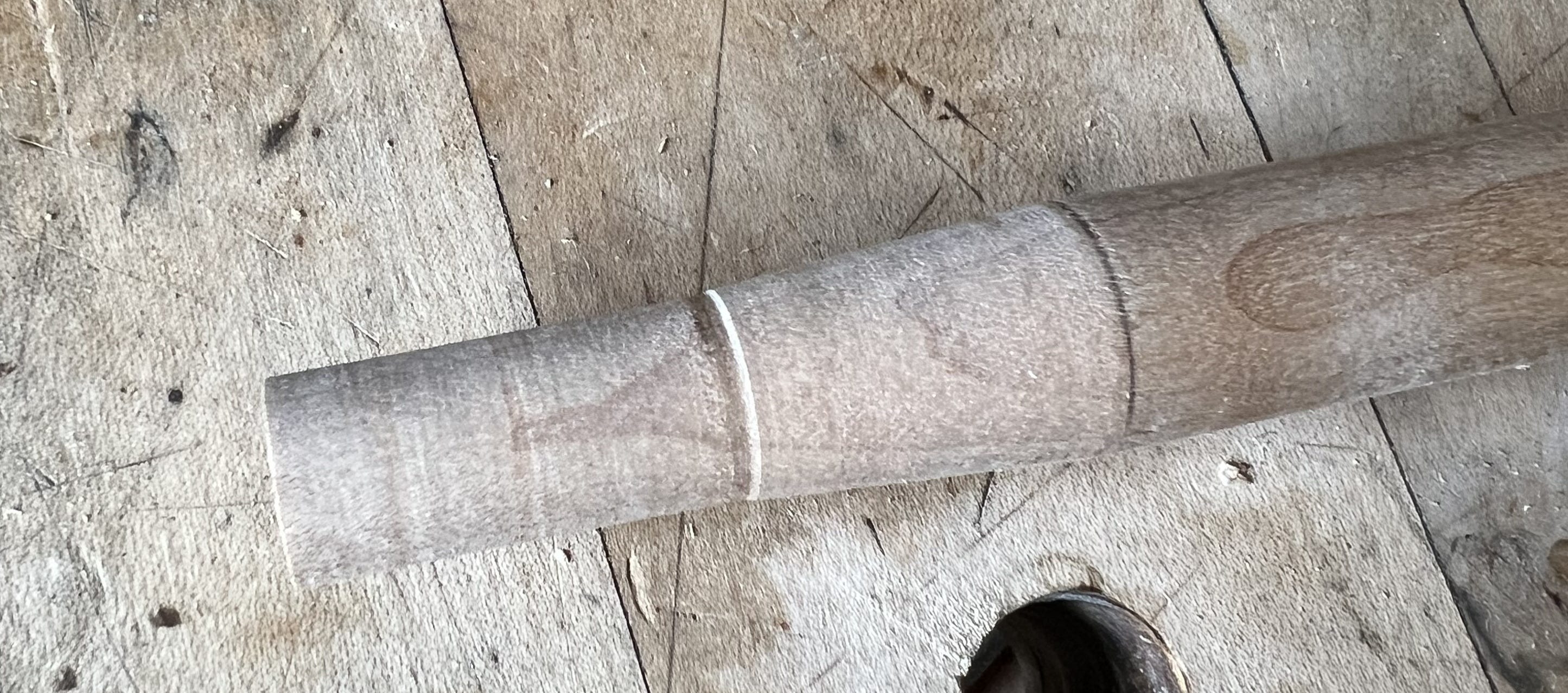
To make the pipe guide, I add a small piece of tubing over the end of the reamer, to keep the pvc, pipe (shown below) in line with the axis of the reamer. The pvc is a snug fit in the drilled hole but is loose enough to spin. Just a few turns of the reamer and the joint is set. When I wedge it from the bottom, the tenons forms and hourglass shape and locks from the top and bottom.
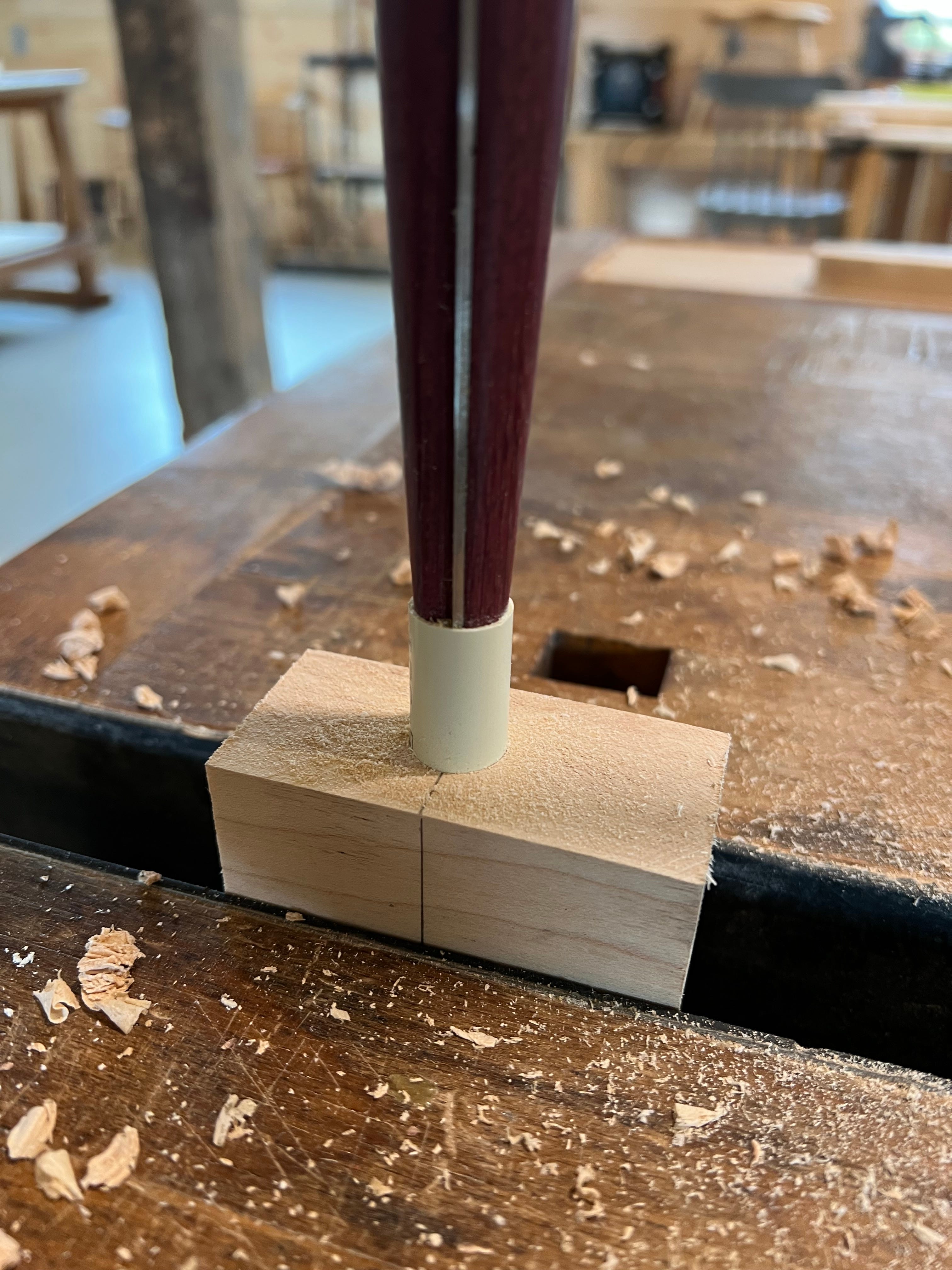
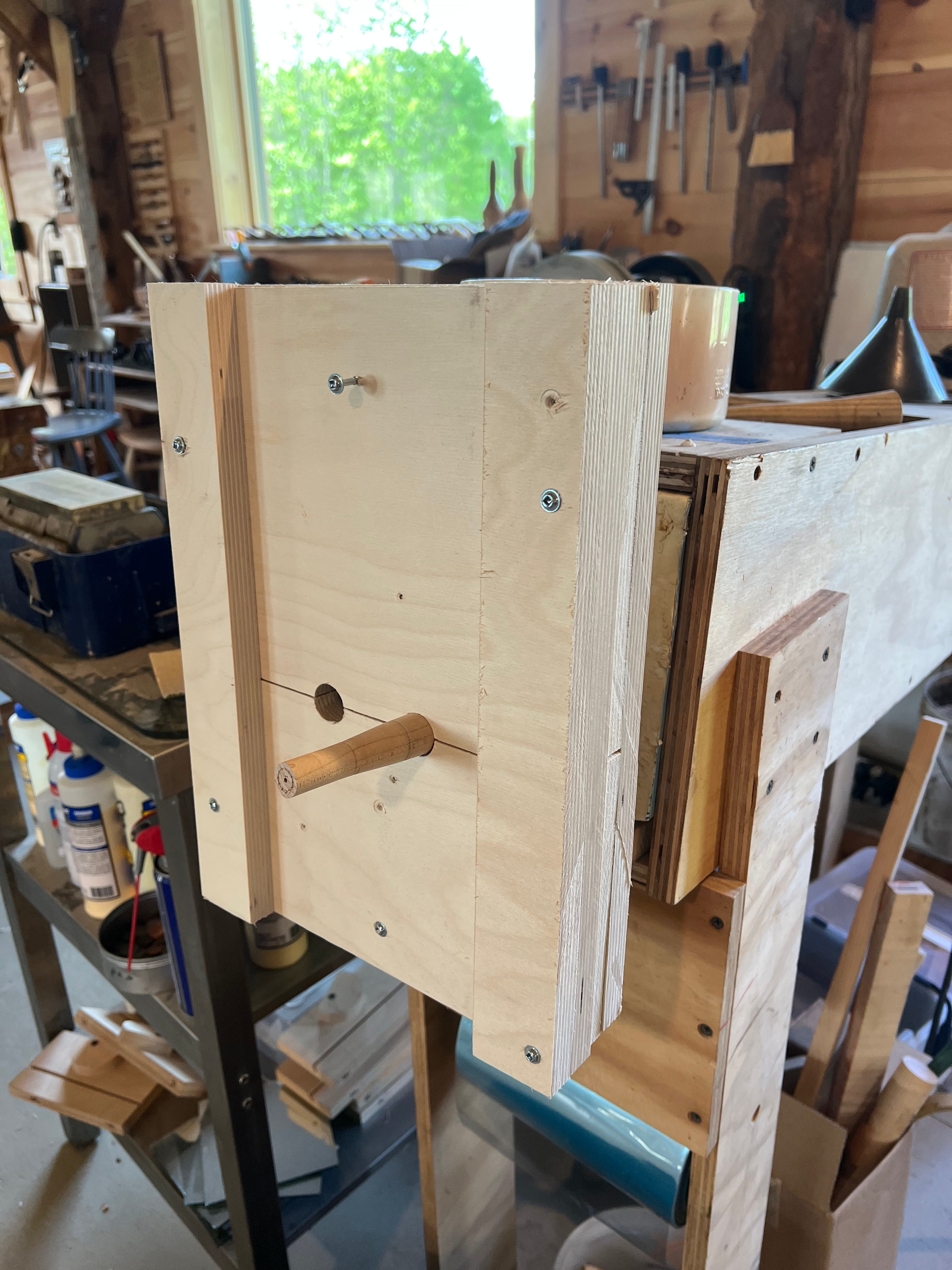
Finally, I incorporate a mortise on the form to set the relationship between the curve and the tenons. It takes the guesswork out of reaming the part into place, especially when I using the half tapered tenons on the end of the posts. Here is the block with the mortise incorporated into the bottom of the form.
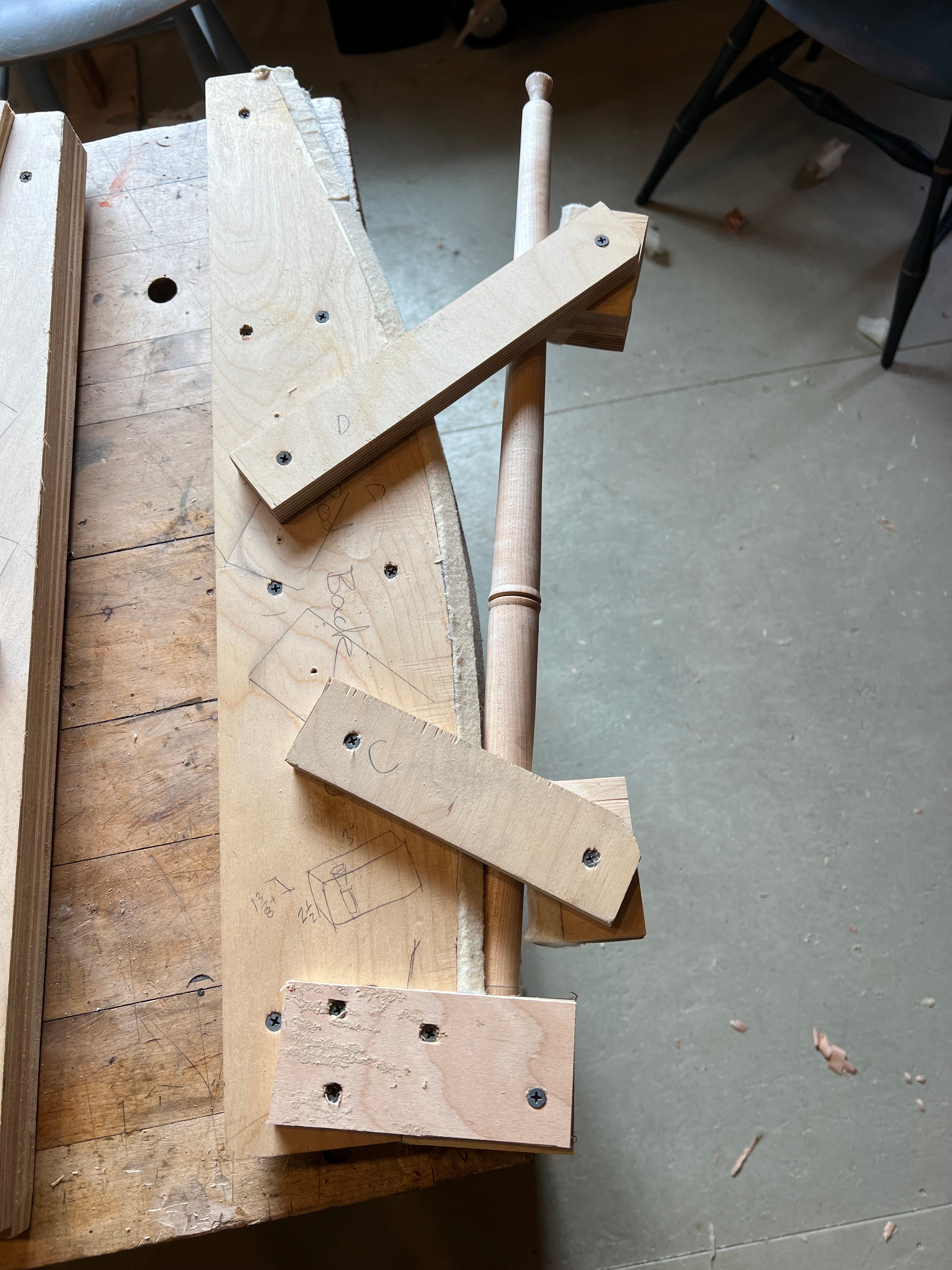
I use the lower clamp block to keep the bending from stressing the joint at the bottom and the top one draws the part against the form.
I’ve always used two part forms, with a felt lined v shape where the part seats to keep it in a single plane. I unlocked a post I did a while back with more details on making the forms if you are interested.
What species is that spindle in the last photo? ... maple ?