
Grinding Wheels and Time

I guess I buried the lead a bit on the grinding posts because I’ve gotten a few messages asking about the wheels I use and why. You may have noticed that I use a variety of wheels and each has strengths. In the ol’ days, when you bought a grinder, it might have come with carborundum wheels. These are heat monsters. Yes, you can grind heat treated steel with them, but I think they are holdovers from the machinist trade where the fact that they glaze quickly and heat up the metal isn’t such a problem. They are hard as can be and last a long time. I usually discarded the carburundum wheels and switched them out with aluminum oxide wheels. These are friable, which means they break down quickly with use. This is helpful in dissipating heat and exposing fresh grit. They are also easy to dress with a diamond dresser to true the surface or form it to whatever shape you like. The friable nature of the wheels also makes them terrible for your lungs and you should wear a respirator when using them. I like these wheels and have used them for most of my grinding. I prefer a slight crown to the surface, which helps me pinpoint the contact.
They are also relatively cheap, so if you are just setting up you sharpening station, it’s an easy entry. As for grits, it depends on what you are doing. If you are constantly rehabbing tools, then a coarser grit is a good idea, they tend to run cooler because they make less surface contact, but the scratch pattern is deep. Honestly, I don’t pay much attention the grit of stones most of the time, unless I need to hog of material,150 grit is probably a good place to start if you are just starting to invest. A light touch and a little patience goes a long way.
The other wheels you have seen me use are CBN, which is an acronym for Cubic Boron Nitride, which is the mineral that does the cutting. These are my personal favorite for a few reasons. They never need dressing and the surface doesn’t shed particle that end up in the air. If you put a magnet below your toolrest, you can even catch most of the metal shavings. They are wonderfully balanced, unlike some friable wheels that take some fussing to find the sweet spot where they run true. Because the surface remains the same shape, you can get reliable cuts as you make your way through the process. The weight of the wheel increases my sensitivity to the cutting action and disperses heat so they run cool. I used these for the first time on a trip to a school where I had to tune 8 sets of turning tools in a short time before a class. They performed so well that I immediately bought some. The biggest drawback is the expense, they are pricey, but I am a firm believer that spending on sharpening is forgiveable if it makes the rest of the work flow, and these do. The manufacturers claim that they are made for harder metals such as high speed steel and softer steel used in blades can clog the wheel and void the warranty. I haven’t found this to be the case at all. They have lasted me a long time and earned their place in my shop. Recently, Chris Schwarz wrote a post about his disappointment with diamond stones and I’ve had some similar experience. But some of the problems I see with diamonds, and potentially with CBN is that people tend to use way too much pressure on them. It’s the motion that allows them to cut and excessive pressure isn’t helpful and can shorten the life of the surface. So lighten up and let the tool do it’s work. As for the CBN wheel brands, I have used the Woodriver brand because they have a square edge and the grit wraps around the side, which allows me to grind drill bits with ease. I recently learned that Tools For Working Wood has a crowned CBN wheel, which I might give a try. Let me know if you want more detail, although I don’t have much.
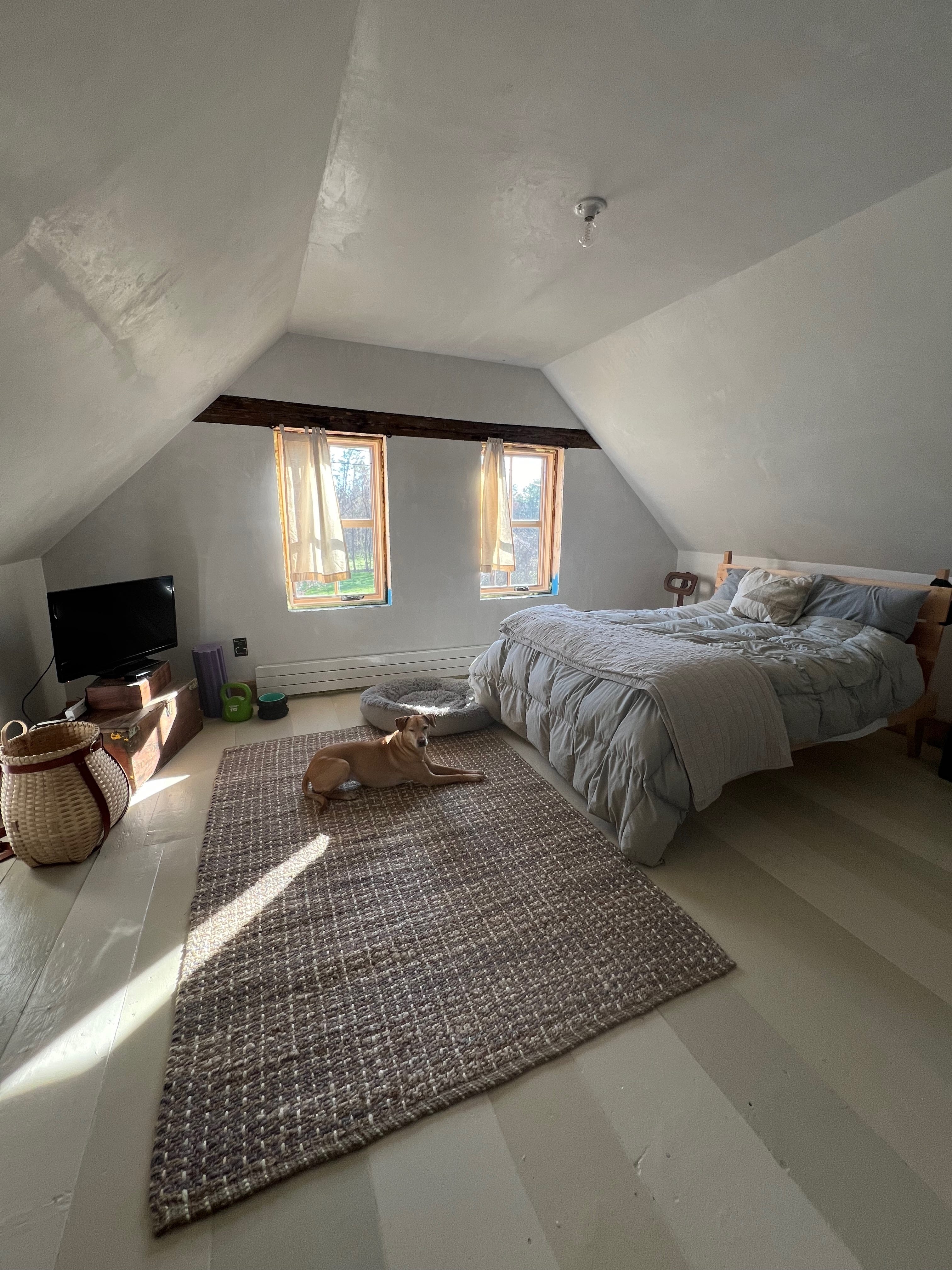
The past couple of weeks have been a frenzy of work on my house. There is definitely light at the end of the tunnel. The plaster is complete (I still have a sample panel to show the process in a video) and I am on to trimming out the windows and doors. Here are a few before and after pics of the progress. It feels strange to see actual finished spaces, I thought I was just going to work on this place forever!
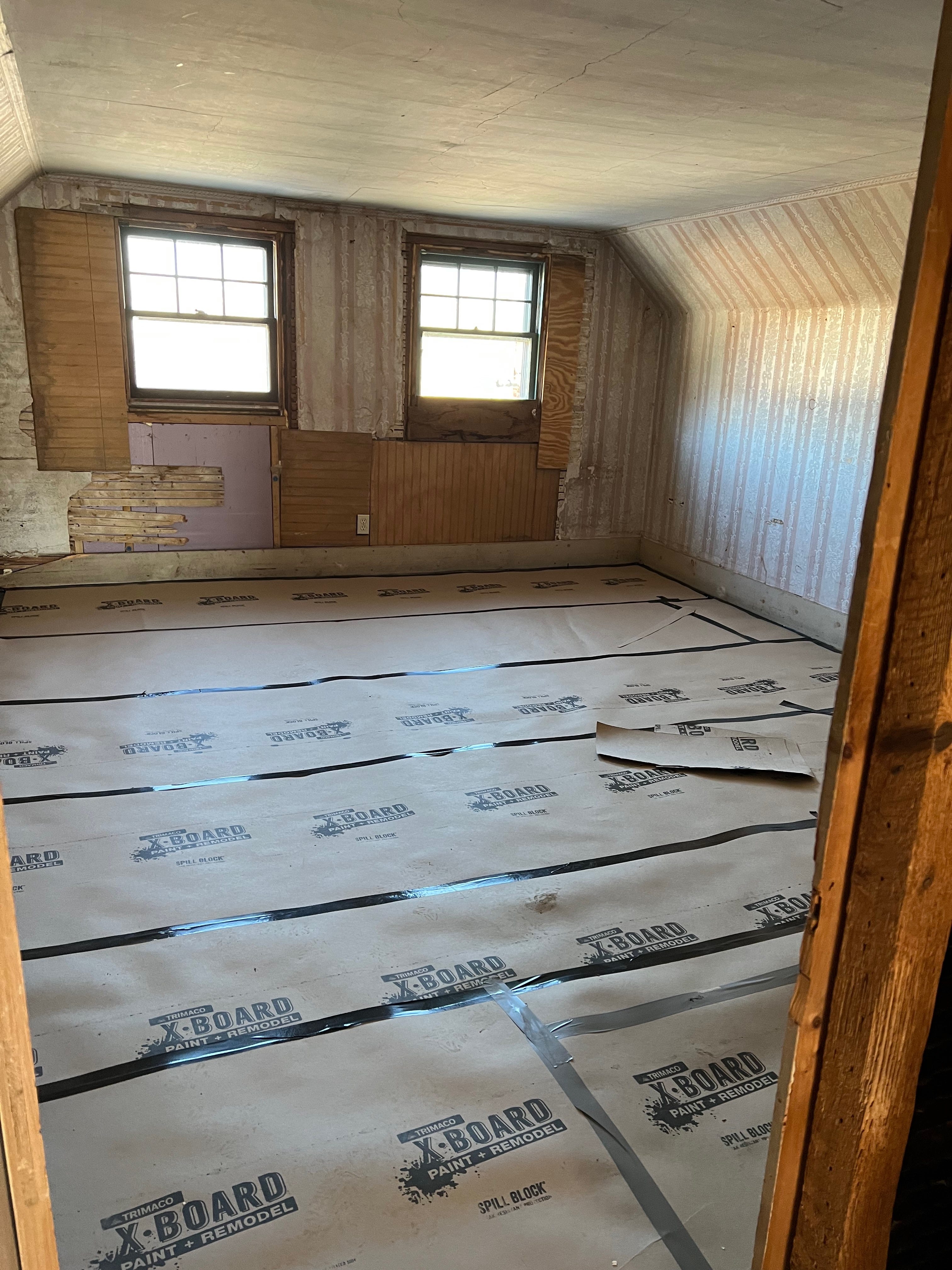
I raised the ceiling and kicked the walls out a few more feet to gain some floor and head space.
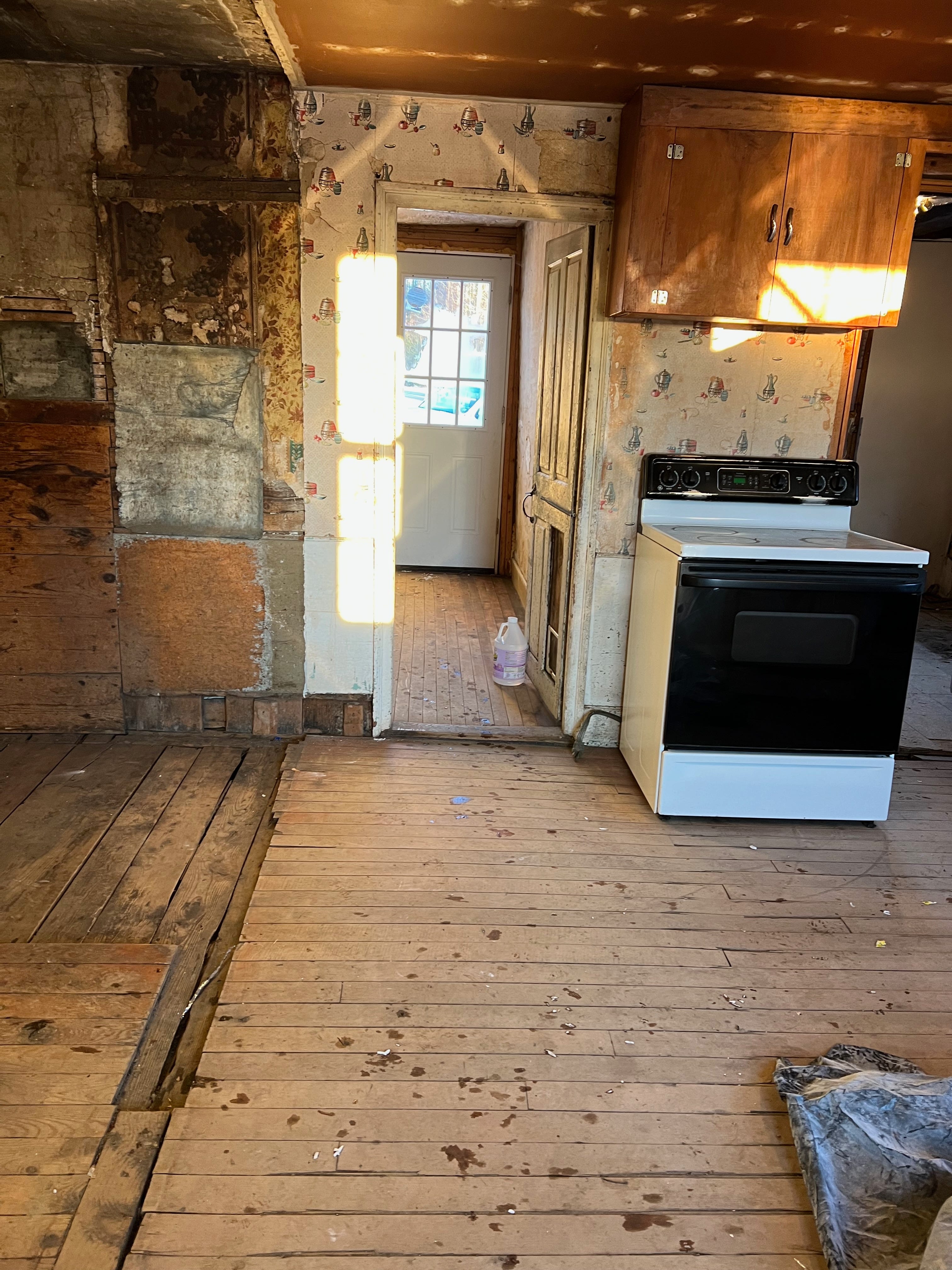
I remember seeing the place in this state and falling in love if you can believe that.
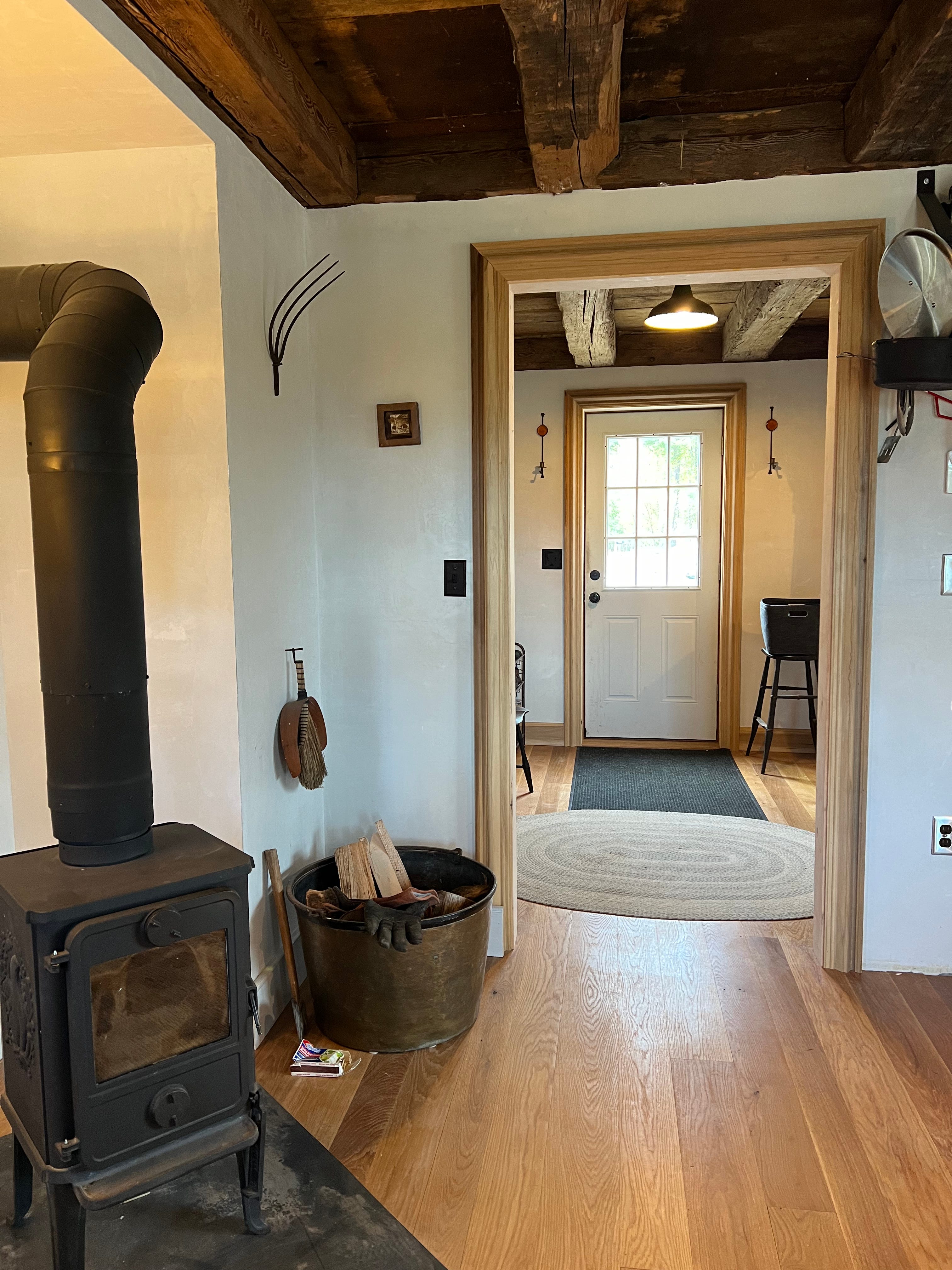
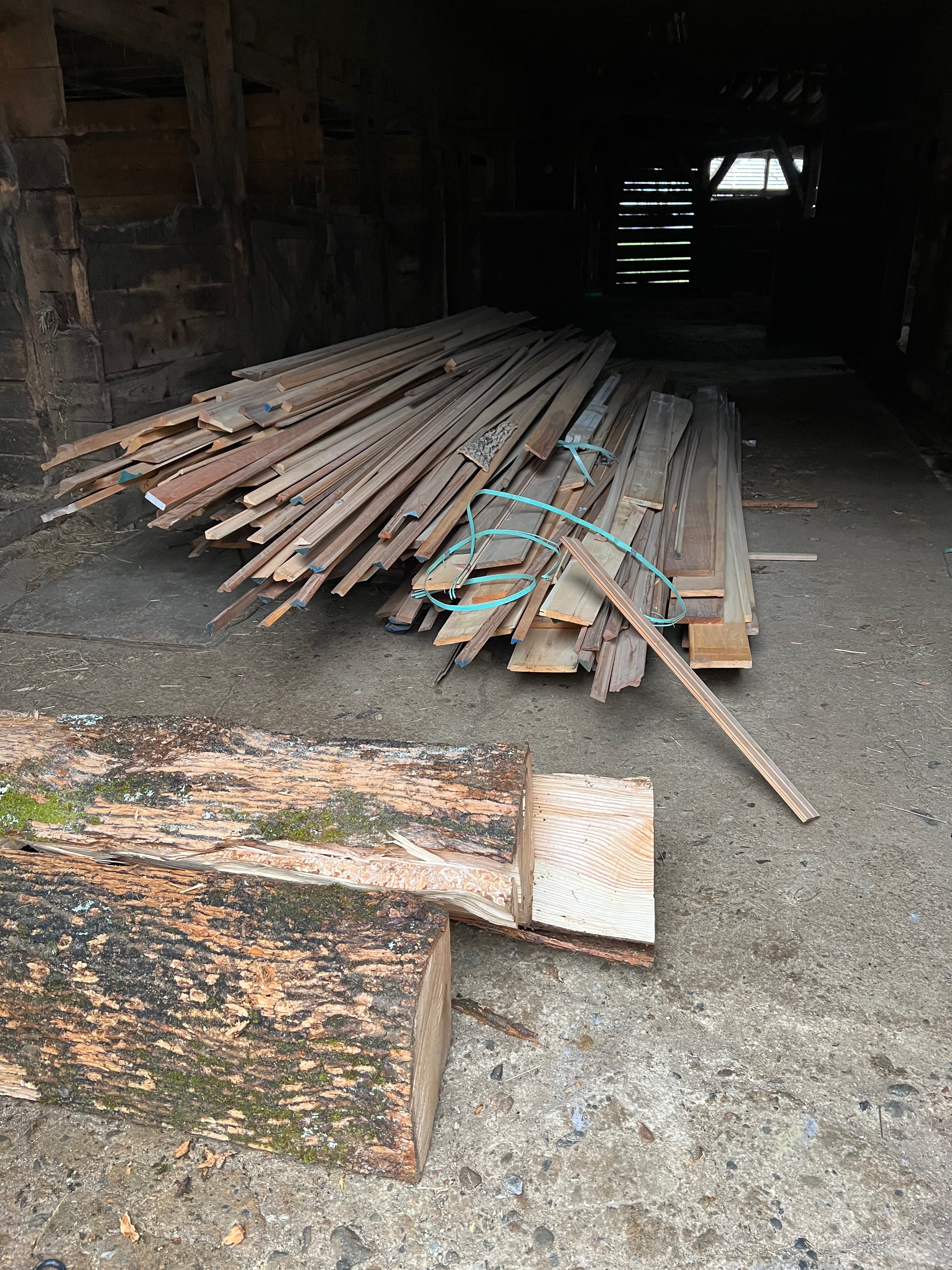
The first purchase I made for the house was a huge pile of old trim from Goosebay Lumber. They were having a “get rid of excess crap” sale and I bought a house full of eclectic parts. I’ve been waiting this whole time to start nailing it up, what a ball.
The details about the grinding wheels are helpful and the house is looking great! I’m curious where you’re looking for a couch. It seems tough to find new upholstered furniture that has more than a 5-7 year lifespan.
Congrats on the progress with the house, Peter! With any home renovation, the “light at the end of the tunnel” time can’t come fast enough……