
Big Events

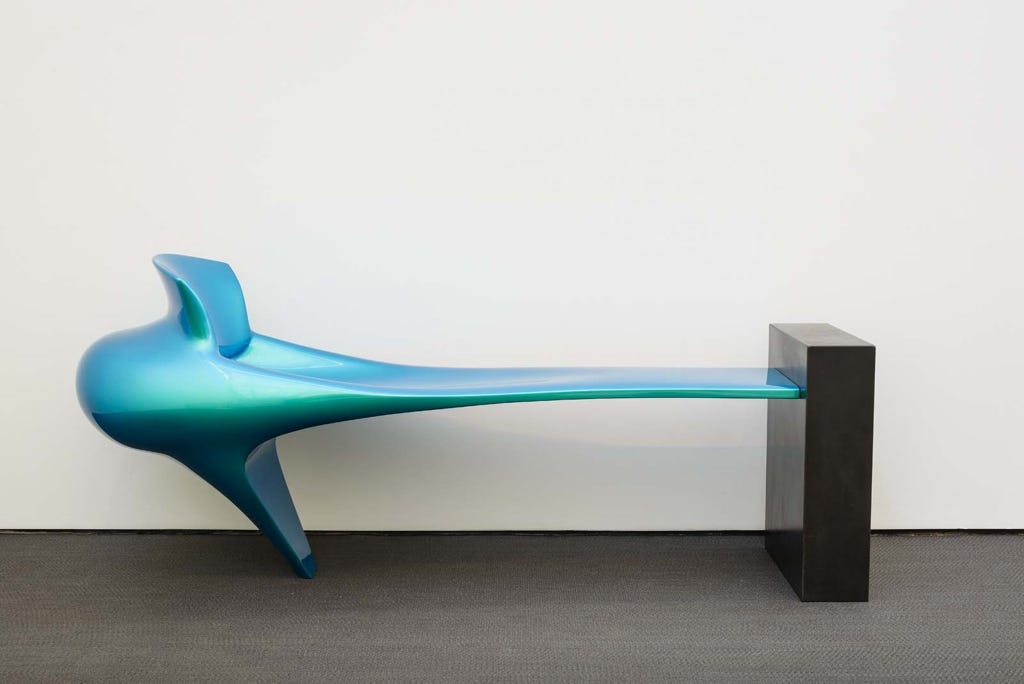
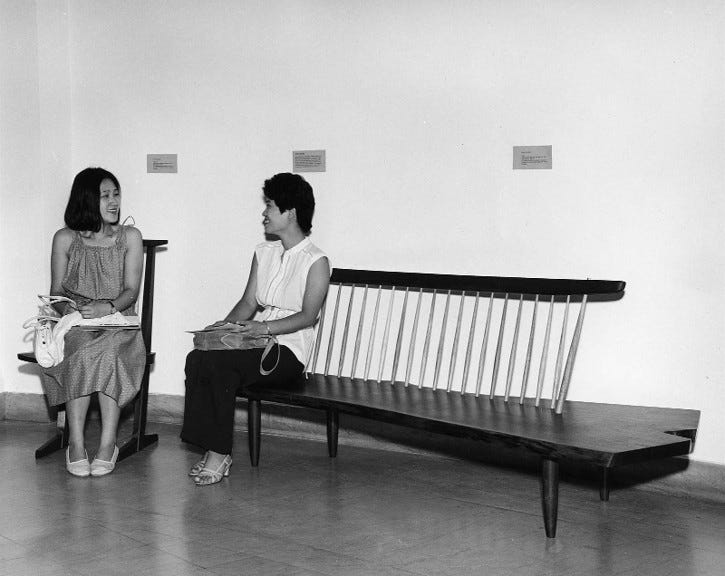
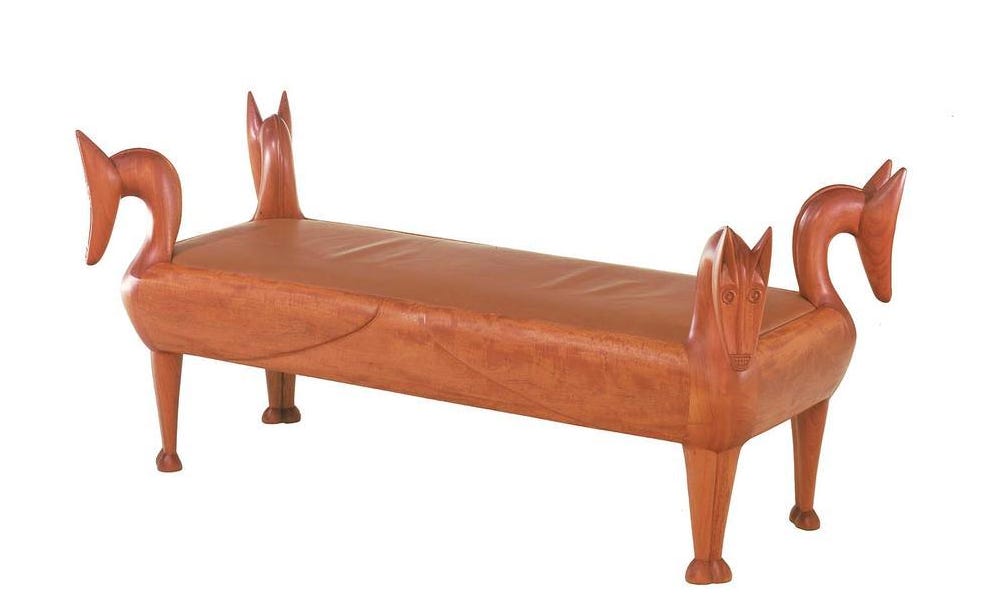
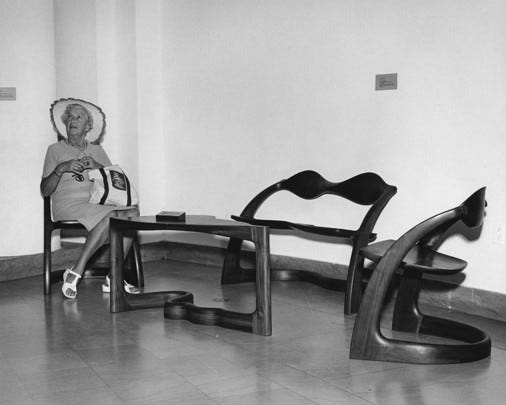
Last week, the Museum of Fine Arts in Boston celebrated the 50th anniversary of it’s “Please Be Seated” collection. This collection houses the “Meeting Bench” I made with Aspen Golann. The collection has long fascinated me. Unlike most objects in a museum that live behind glass or on pedestals, the chairs in “Please be seated” are scattered throughout the museum and the visitors are encouraged to touch and use them. It’s especially fantastic as a chair maker to be able to get up close and experience the actual sitting experience and feel of the work. Not all the pieces are wood, the variety of ideas and chair forms is exciting and surprising. Here are a few examples.
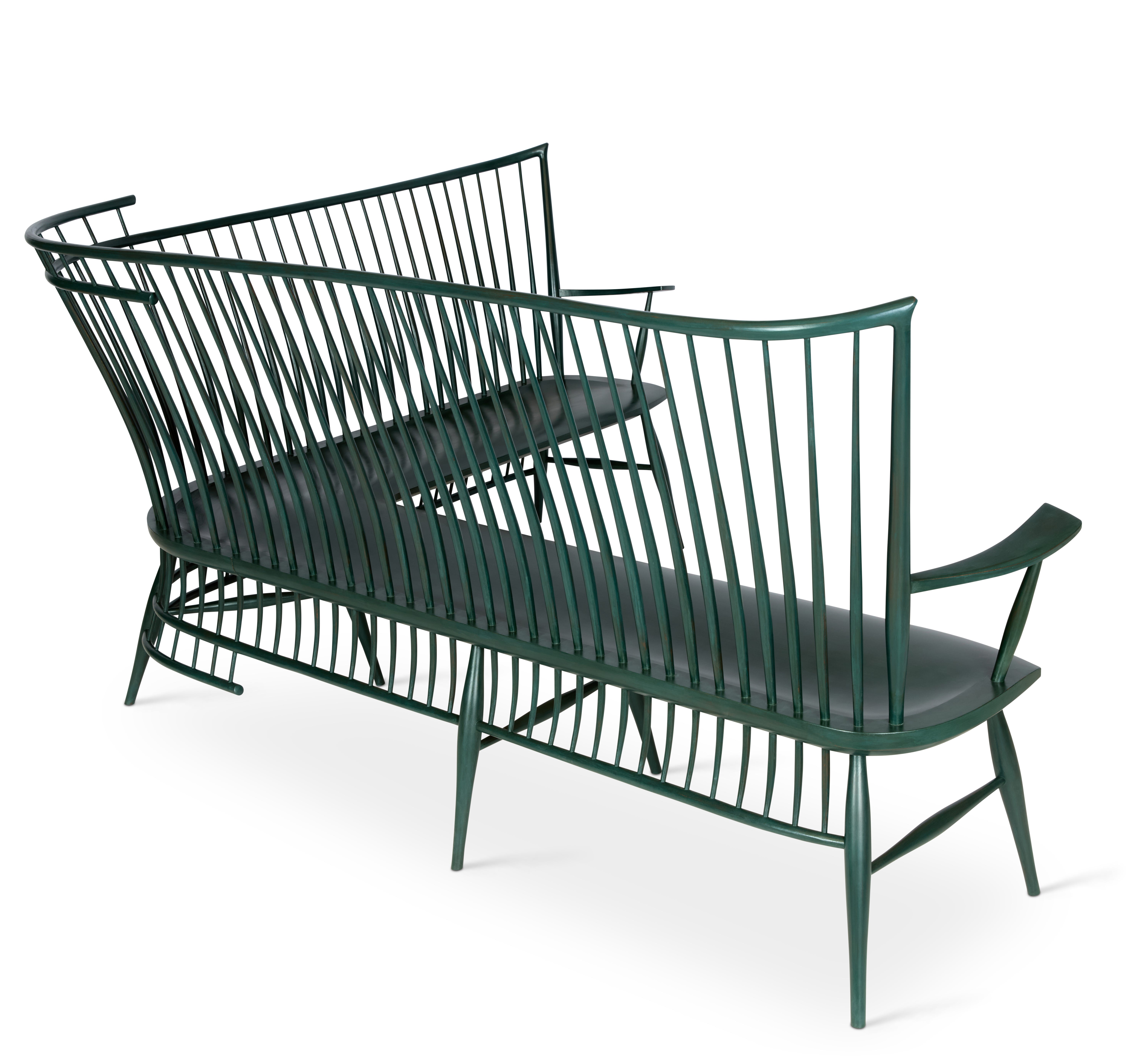
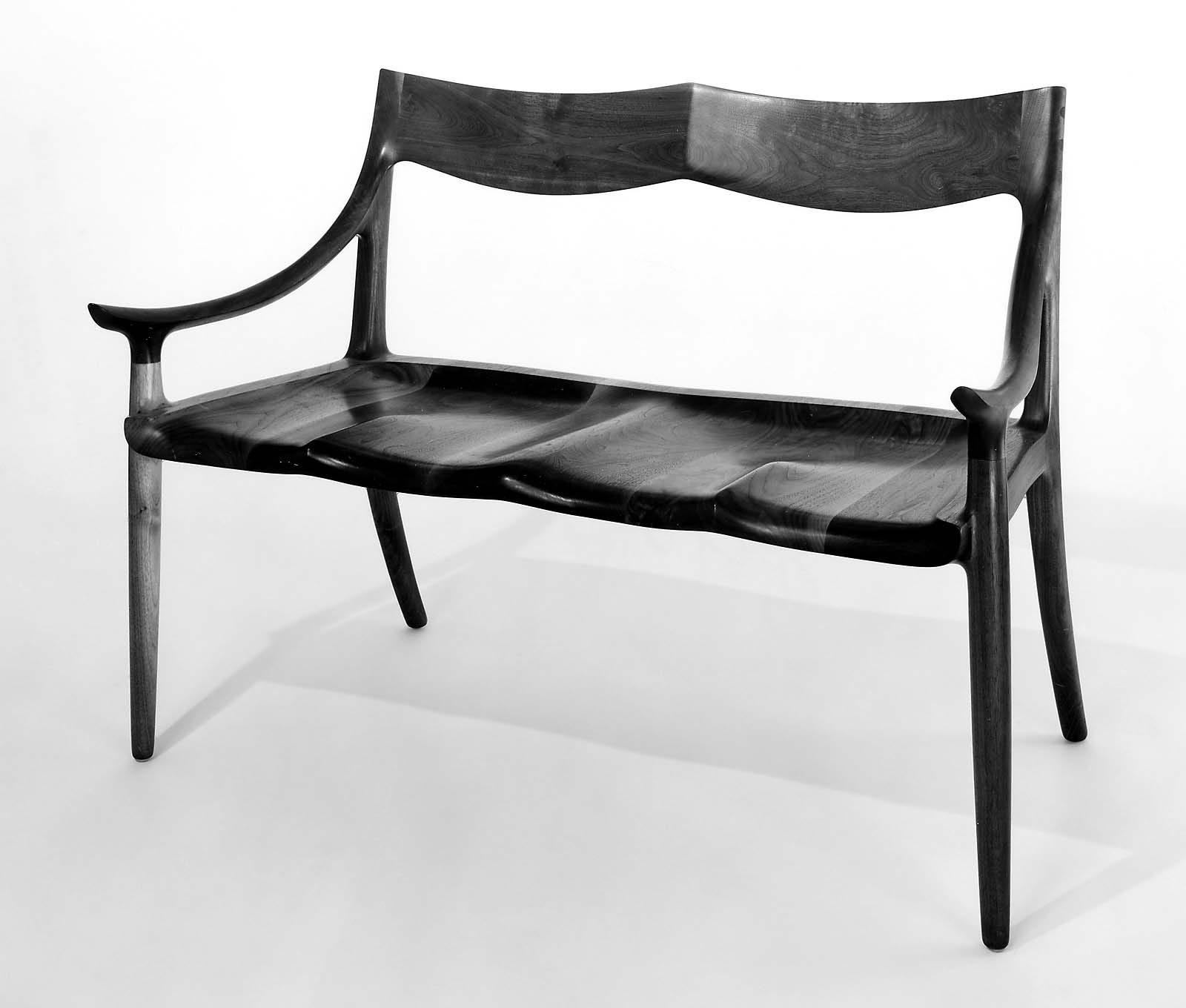
As part of the celebration, the museum hosted myself and Aspen on a panel talk to discuss our piece, which is their most recent addition. The panel included Curator Michelle Millar Fisher, Professor Ned Cooke and Conservator Christine Storti. For me, it was an especially full circle moment. It was a fun and lively conversation. The volunteers and staff were especially kind, they even gave me flowers (we need to give men flowers more often).
I first heard of this collection from Dave Sawyer about 25 years ago. He has chairs in the collection and explained to me how the public was allowed to use them. I always scoured the museum to find his chairs when I visited but couldn’t. I discovered the museum had “retired” his chairs, concerned they were too “delicate” for the hard public use. After Michelle visited my workshop and we explained the strength and flexibility of split and shaved wood (which I learned from Dave), they decided to put the chairs back into service. I was delighted to see Dave’s son George in the audience. George is an highly skilled and creative chair maker.
During the talk, I was able to relay one of my favorite Dave stories. The guards at the museum gravitated to sitting in Dave’s chairs (they are very comfortable) and their ring of keys created lots of wear on the seat. The museum asked Dave if he wanted to repair the seats and he said “Nope”. To Dave, chairs weren’t precious that way, they were hard working furniture and their fate was to show it. When I got too precious with my chair he would admonished me “It’s just a chair”. Being at the museum and amongst the curators, preservationists and academics who study, collect and preserve these “just a chairs” caused me a bit of cognitive dissonance.
I haven’t actively pursued working with gallery’s and museums, though I have been in shows over the years. I’ve usually dealt directly with clients and students who want to buy work or learn the craft. I often think of what Curtis Buchanan said about making career choices. “Does this help me further my goal of making chairs in my backyard?”. It may sound simple or limiting, but we live in a fast changing world with lots of shiny distractions and possibilities that didn’t exist even a short while ago. Staying focused and centered takes effort and clarity.
None of this is to say one should avoid a more proactive engagement with the exhibition world. I think a good balance between nurturing ones craft and presenting it publicly is a part of the work. This can be especially challenging for some. Many folks who find a home in craft do so in relation to trauma response, neurodivergence or other very personal needs. Immersion in this work can be very healing and connecting. Engaging in promotion or exhibition may not be comfortable, but I believe there are ways share your work while staying aligned with yourself and your needs.
Directly following the event at the MFA, I returned to my shop to teach a turning intensive. With my head still spinning (sorry, turning pun not intended, nor passed up), I was happy to get back to basics. My rock star student Sue returned for the class after her triumphant Temple Chair class last year.
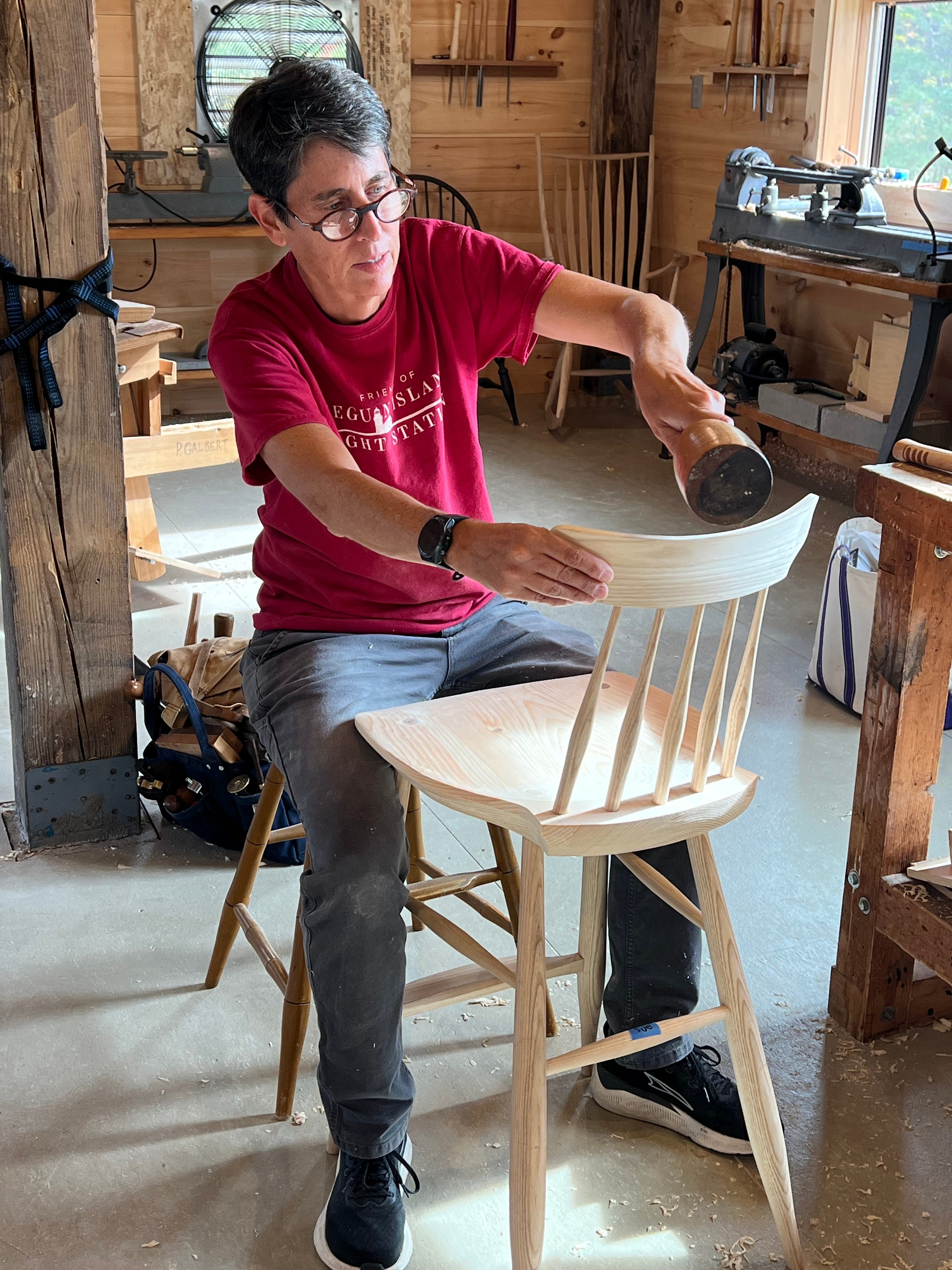
Sue is totally new to woodworking. I love working with students like this, it’s like getting to see the beginning of the universe. I get to relive the joy and intensity of discovering the power of wood and hand tools. (Yes, the lathe is a hand tool, it’s just carving a spinning piece.) True to expectation, Sue knocked it out of the park and I got to be a part of her introduction to the magic of turning. I took a series of photos of Sue’s progress from first getting up the nerve to touch a sharp tool to a spinning piece of wood to perfectly smoothing a part with the skew.


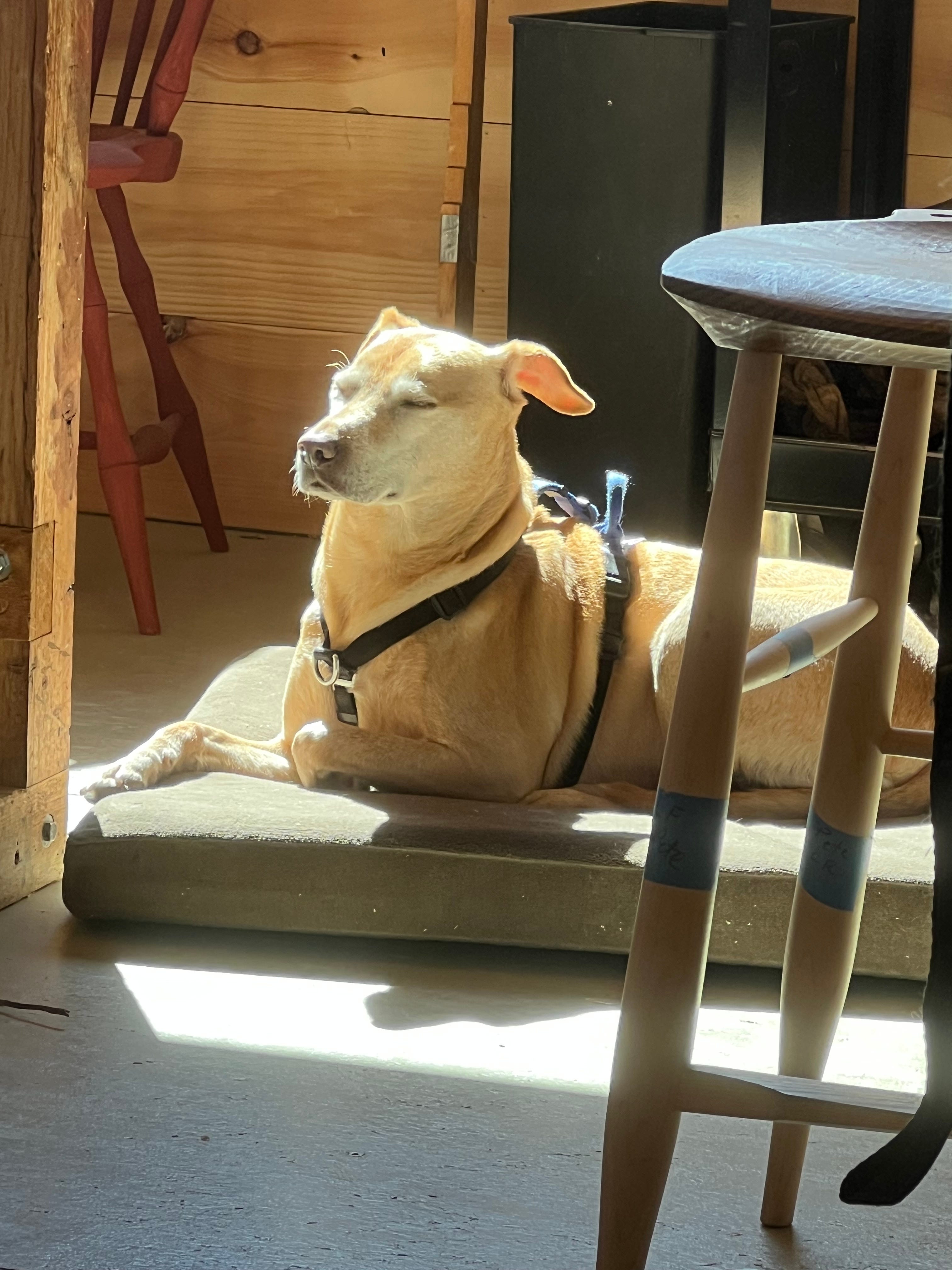
Having the experience at the museum, and ushering Sue through the earliest steps of a craft made for interesting bookends to my week. As usual after an event or class, I’m going to take a few days to rest and process all I’ve seen. Just like Georgia, I need to shake it off and get a little time in the sun.
Wow! From one Sue to another, well done, Sue! Your Temple Stool is just beautiful, and you are obviously a natural! And we Sues are so smart that we go to Pete for teaching. It comes with the name.
Pete, you are right: we should give men flowers. Of course we should!
As usual a wonderful bit of writing, wisdom and sharing stories. Thanks Pete and congratulations Sue!